Nutrition, the Gut, and a Healthy Mind in Recovery
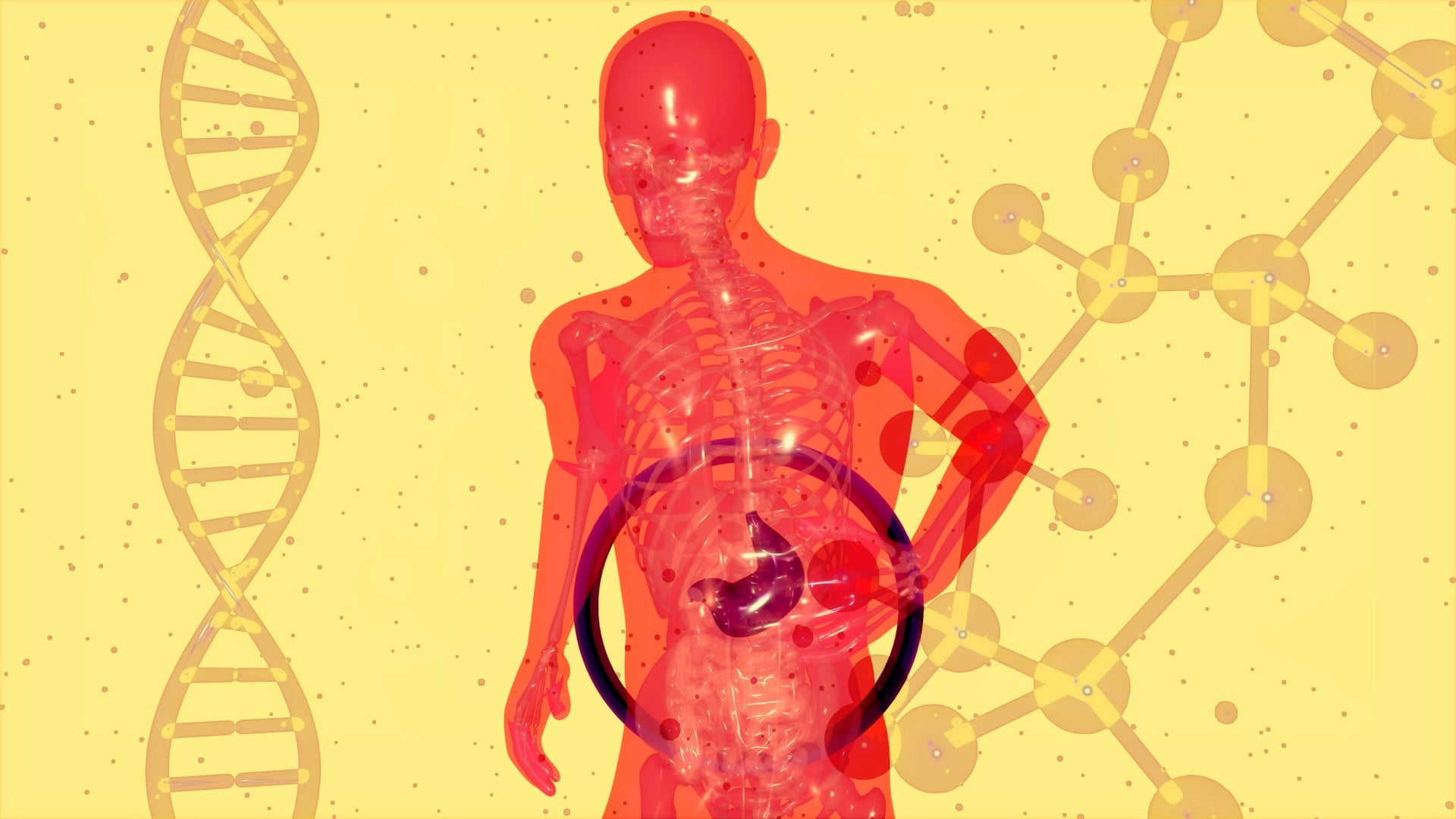
The connection between the gut and the brain has long been recognized, with expressions like “gut instinct” or “butterflies in my stomach” illustrating the profound relationship between these two organs. The gut, which includes the stomach, intestines, and colon, is often referred to as the “second brain” due to the extensive network of neurons that communicate directly with the brain. These gut neurons, along with gut bacteria known as “microbes,” play a crucial role in how our body absorbs and uses nutrients. It is estimated that over 1 trillion microbes inhabit a healthy gut, influencing not only our digestion but also our mental health and recovery from substance use disorders.
The Effects of Substance Use on the Gut
Substance use significantly impacts the digestive system, which includes all the tissues and organs responsible for extracting nutrients from the food we eat. The damage caused by substances varies, but common effects include:
- Mouth: Increased risk of dental caries (cavities) due to sugary foods and drinks, leading to tooth pain, decay, and loss, which can make it difficult to bite, chew, and swallow food. Reduced saliva production further compromises oral health and digestion.
- Stomach: Damage to the stomach lining can cause ulcers, which are painful and can disrupt normal digestion.
- Small Intestine: The lining and villi (small, finger-like projections) of the small intestine can be damaged, preventing the proper absorption of nutrients.
- Large Intestine: Substance use can reduce the population of beneficial gut bacteria in the large intestine, impairing vitamin absorption and nutrient processing.
- Liver and Gallbladder: Substance use can alter bile secretion and absorption, impairing digestion and increasing the risk of liver damage and cirrhosis.
Supporting the Gut Supports the Brain
The gut-brain axis is a bidirectional communication network that plays a significant role in our mental health. Eating a variety of nutritious foods can support both gut and brain health, which is particularly important during recovery from substance use. Restoring gut health through nutrition can lead to improved mood, better emotional regulation, and reduced cravings.
Steps to Restore Gut Health in Recovery
Restoring gut health involves several dietary strategies, including increasing fiber intake and incorporating prebiotics and probiotics.
Fiber
Fiber is a type of carbohydrate that is not absorbed by the body but plays a vital role in digestive health. It helps regulate blood sugar, lower cholesterol, promote fullness after meals, and prevent constipation. There are two types of fiber:
- Soluble Fiber: This type decreases serum cholesterol and stabilizes blood glucose levels. Sources include citrus pulp, soybean hulls, oats, barley, and beans.
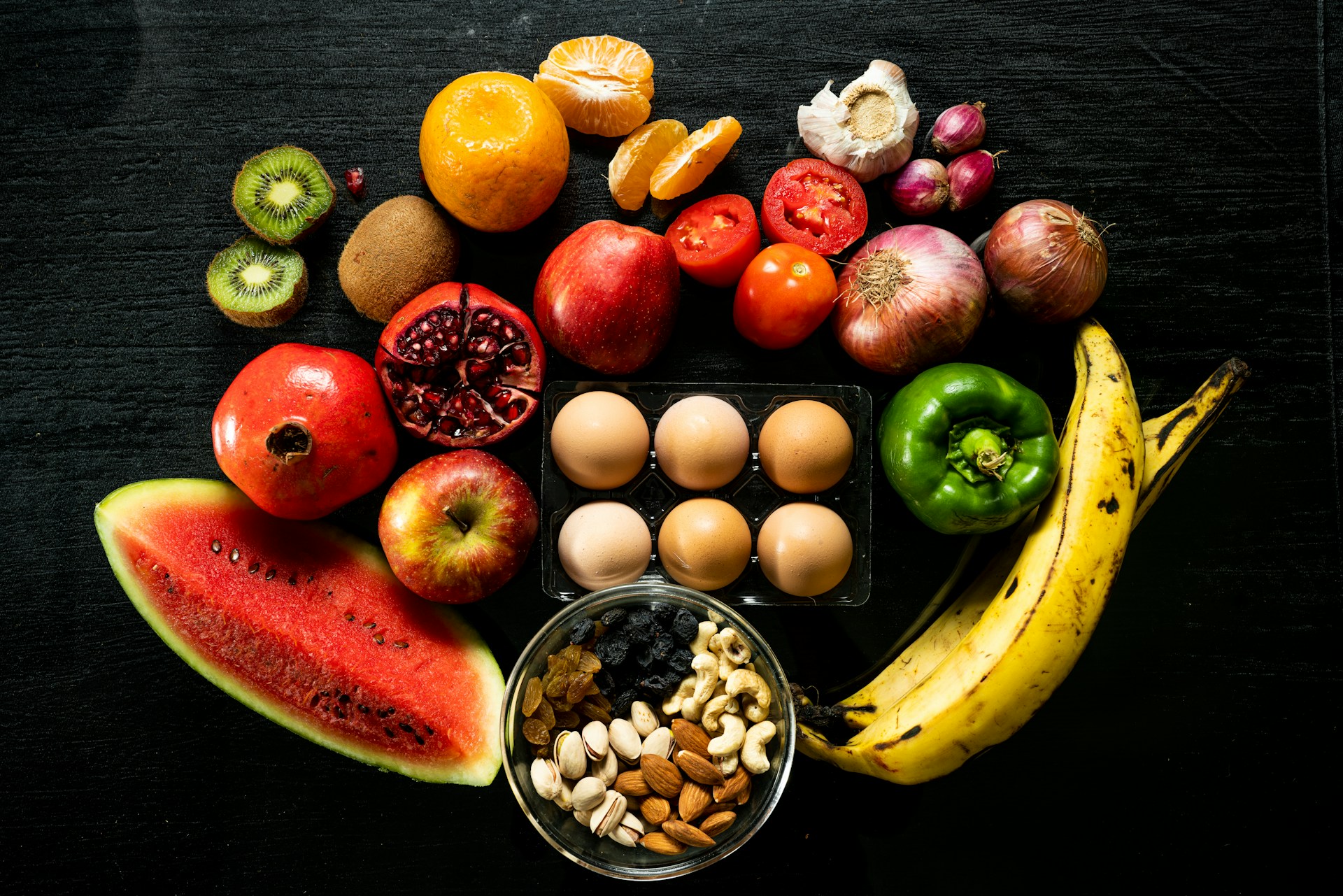
- Insoluble Fiber: This type adds bulk to stool and speeds up the passage of food through the intestines. Sources include brown rice, carrots, celery, onions, garlic, corn hulls, and many fruits like bananas and berries.
Individuals in recovery often experience digestive issues such as diarrhea, bloating, cramps, and gas due to intestinal damage from prolonged substance use. For those recovering from opioid use, these issues may be more severe. Opioids can paralyze the bowel, disrupting normal bowel function. A high-fiber diet, combined with adequate hydration, acts as a natural laxative and helps restore normal bowel function.
The recommended fiber intake is 25 grams per day for women and 38 grams per day for men. Foods with three or more grams of fiber per serving are considered high-fiber choices. Many high-fiber foods, such as fresh fruits and vegetables, may not have a Nutrition Facts Label, so it’s essential to incorporate these into the diet.
Prebiotics and Probiotics
The gut microbiome, a collection of all the bacteria living in the gut, plays a crucial role in overall health. These microbes are beneficial and help support various bodily functions.
- Probiotics: These are the beneficial bacteria in the gut that produce nutrients crucial for brain and mental health, including biotin, vitamin B12, niacin (B3), pantothenic acid (B5), folate, vitamin D, and vitamin K. Good sources of probiotics include yogurt, kefir, and fermented foods like sauerkraut and sour pickles. Look for labels indicating “live and active cultures” for the best probiotic benefits.
- Prebiotics: These are nutrients that feed the beneficial bacteria in the gut, helping them thrive. Prebiotics help produce short-chain fatty acids that boost mood. High-fiber foods such as whole grains, fruits, and vegetables (including onions, garlic, artichokes, asparagus, bananas, berries, green vegetables, and tomatoes) are excellent sources of prebiotics.
While prebiotic and probiotic supplements are available, it’s advisable to prioritize high-fiber foods that naturally provide these benefits. Establishing routine eating patterns and diversifying the diet with these foods supports overall health and recovery.
Other Considerations for Gut Health
Several factors can impact an individual’s ability to restore gut health during recovery:
- Enzyme Production: Substance use can interfere with enzyme production necessary for food breakdown, requiring dietary adjustments. For example, alcohol can suppress lactase production, leading to lactose intolerance.
- Mental Health: Trauma, stress, and anxiety, often associated with substance use, can impair gut function, complicating recovery.
- Weight Gain: Concerns about weight gain can lead individuals, particularly women, to use laxatives, which negatively impact gut microbiota. High-fiber foods can act as natural laxatives and support healthy bowel function.
- Digestive Conditions: Conditions like Inflammatory Bowel Disease, chronic constipation, and Crohn’s Disease are common, affecting gut health and complicating recovery.
Hydration in Recovery
Proper hydration is a critical component of gut health and overall recovery. Water is essential for every cell, tissue, and organ in the body, aiding in digestion, nutrient absorption, and toxin elimination. Dehydration can exacerbate digestive issues, leading to constipation and impeding the body’s natural detoxification processes.
Individuals recovering from substance use may be particularly susceptible to dehydration due to the diuretic effects of certain substances and the impact of withdrawal symptoms. Ensuring adequate water intake supports the restoration of normal bowel function and overall health.
Practical Tips for Hydration
- Drink Water Regularly: Aim for at least eight 8-ounce glasses of water per day. Carry a reusable water bottle to encourage regular hydration.
- Eat Hydrating Foods: Include foods with high water content in your diet, such as cucumbers, watermelon, oranges, and lettuce.
- Limit Dehydrating Substances: Reduce intake of caffeine and alcohol, as they can contribute to dehydration.
- Monitor Hydration: Pay attention to signs of dehydration, such as dark urine, dry mouth, and fatigue, and increase water intake accordingly.
Comprehensive Nutritional Support
A balanced diet, rich in fiber, prebiotics, probiotics, and adequate hydration, forms the cornerstone of gut health and recovery. This approach not only supports digestive health but also enhances mental well-being by stabilizing mood, reducing cravings, and improving emotional regulation.
Conclusion
The connection between the gut and the brain underscores the importance of nutrition in recovery from substance use. By focusing on gut health through a balanced diet that includes fiber, prebiotics, probiotics, and proper hydration, individuals can support both their physical and mental health during recovery. Understanding the complex interplay between the gut and the brain offers valuable insights into how dietary choices can aid in healing and long-term well-being.