How to Manage Cravings in Alcohol and Substance Use Recovery with Nutrition
Cravings are a normal but challenging part of recovery from substance use. They can feel overwhelming and unpredictable, making it hard for people to stay on track with their recovery goals. However, nutrition can play a powerful role in helping manage cravings and support long-term healing. In this blog post, we’ll explore why cravings happen, what they mean for people in recovery, and how eating well can help reduce cravings and support a healthier, more stable recovery journey.
For a deeper dive into managing cravings and other nutrition concerns for people in recovery, check out our self-paced learning course click here.
What Are Cravings in Recovery?
Cravings are intense urges or desires to use substances like alcohol, drugs, or nicotine. They are common in early recovery but can also show up months or years later. Cravings often happen because the brain and body are trying to adjust to life without substances. Substance use changes brain chemistry, especially in areas that control reward, stress, and impulse control.
It’s common for people in recovery to also crave sugar. This happens because substances often hijack the brain’s reward system, and when those substances are removed, the brain may look for other quick sources of pleasure — like sugar. Additionally, poor nutrition, low blood sugar, and dehydration can make sugar cravings feel even stronger.
Why Sugar Cravings Happen in Recovery:
- Dopamine depletion from substance use
- Blood sugar instability from skipped meals or poor nutrition
- Dehydration or not drinking enough fluids throughout the day
- Habitual use of sugar to cope with emotions or stress
- Gut microbiome imbalances (some gut bacteria thrive on sugar)
Why Nutrition Matters for Cravings
Food is one of the most powerful tools for managing cravings. Substances often replace regular eating patterns, leading to poor nutrition, skipped meals, and nutrient deficiencies. Without proper nutrition, blood sugar levels can drop, energy can crash, and mood can swing—all of which increase the risk of cravings.
When we eat balanced meals regularly, we provide our brain and body with the fuel it needs to function optimally. Many substances used during active addiction disrupt normal appetite cues, interfere with digestion, and create long-term nutrient depletion. These factors make the body more vulnerable to cravings, fatigue, and emotional instability.
Nutrition supports cravings management in several key ways:
- Stable blood sugar levels prevent the “rollercoaster effect” of energy spikes and crashes that often trigger cravings.
- Nutrient-dense foods provide the vitamins and minerals needed for neurotransmitter production, helping the brain regulate mood and stress more effectively.
- Adequate protein intake supports the repair of neurotransmitters impacted by substance use.
- Hydration supports overall health and can help distinguish true hunger from emotional or substance cravings.
Food not only provides energy but also plays a role in calming the nervous system, improving gut health, and supporting hormonal balance—all factors that contribute to craving reduction and a smoother recovery process.
Common Causes of Cravings
Cravings are not just about willpower. They are a natural response to the changes happening in the body and brain during recovery. Understanding the root causes of cravings can help people feel more empowered to manage them. Common causes of cravings include:
Low Blood Sugar
When you go too long without eating, blood sugar drops. This can trigger feelings of irritability, anxiety, shakiness, or fatigue — all of which may lead to cravings for substances or quick-energy foods like sugar or caffeine.
Nutrient Deficiencies
Substance use often depletes key nutrients like magnesium, B vitamins, zinc, and amino acids. These nutrients play a vital role in mood regulation, energy production, stress management, and overall brain function. Without them, the body may send strong signals of cravings to try to correct the imbalance.
Emotional Triggers
Stress, boredom, loneliness, sadness, anger, and anxiety are common emotional triggers that can lead to cravings. Food or substances may have been used in the past to soothe or numb these feelings, so the brain may associate these emotions with cravings.
Habit and Routine
Cravings can arise simply because the brain has been trained to associate certain times of day, environments, or activities with substance use. This is often called “conditioned craving.” For example, a person may experience cravings after a meal, when driving past a familiar place, or while watching TV — because that was part of their old routine.
Dehydration
Sometimes people mistake thirst for hunger or cravings. Dehydration can cause fatigue, brain fog, and irritability — all of which can make cravings feel stronger.
Poor Sleep
Lack of quality sleep can disrupt hunger hormones and increase cravings, particularly for sugar and processed foods. Prioritizing rest and sleep hygiene is important for managing cravings in recovery.
How to Use Nutrition to Manage Cravings
1. Eat Regular Meals
Aim to eat every 3-4 hours to keep blood sugar stable. Skipping meals or going long periods without eating increases the risk of cravings.
Include:
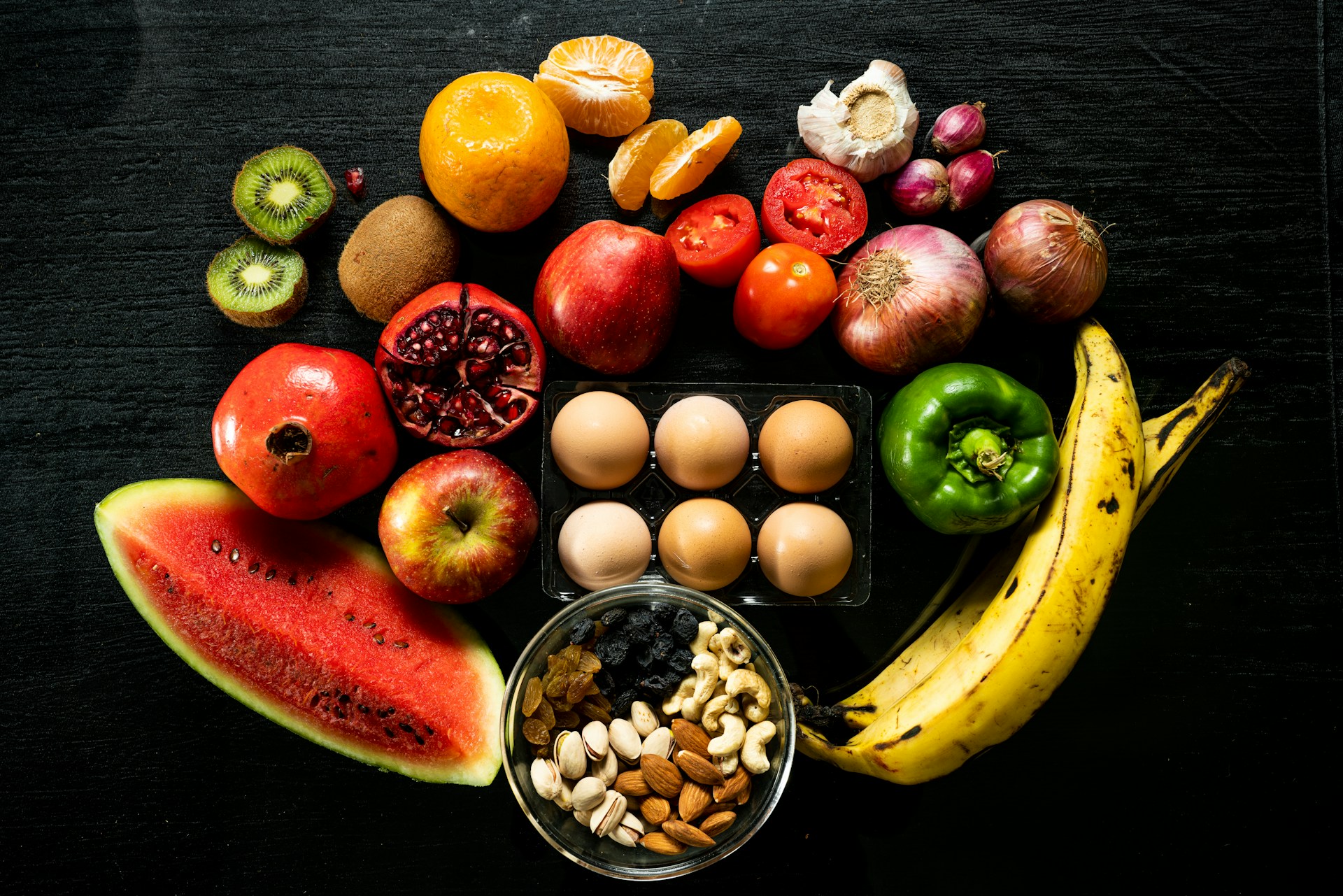
- Protein (meat, poultry, fish, tofu, beans, eggs)
- Healthy fats (avocado, nuts, seeds, olive oil)
- Fiber-rich carbs (whole grains, fruits, vegetables)
2. Balance Your Plate
Each meal should include protein, healthy fat, and carbohydrates. This combination helps keep you fuller longer and prevents blood sugar spikes and crashes.
3. Stay Hydrated
Dehydration can mimic cravings or hunger. Drink water regularly throughout the day. Milk, herbal teas, flavored water, or electrolyte drinks can also help.
4. Include Nutrient-Rich Foods
Focus on foods that support brain health and recovery:
- Omega-3 fats (salmon, walnuts, chia seeds)
- Magnesium-rich foods (leafy greens, nuts, seeds)
- B vitamins (whole grains, eggs, dairy, meat)
- Zinc (pumpkin seeds, legumes, shellfish)
5. Manage Emotional Triggers with Food and Coping Skills
While food is important, it’s also essential to have other tools to cope with emotional triggers. Connecting with supportive people, mindfulness, breathing exercises, or journaling can help when cravings arise.
6. Be Mindful of Sugar and Highly Processed Foods
Substance use can affect the brain’s reward system, making it more sensitive to things that provide quick pleasure — like sugary or highly processed foods. These types of foods can stimulate the same brain pathways as substances, creating a temporary “feel-good” effect. For some people, this can lead to a pattern of turning to sugar or processed foods for comfort or stress relief, similar to substance cravings. Over time, this cycle can start to feel addictive and may contribute to unstable energy, mood swings, and increased cravings.
Sugary and highly processed foods — especially when eaten alone without protein, fiber, or healthy fats — can lead to blood sugar spikes followed by crashes. These crashes often drive more cravings and low energy.
To help manage sugar cravings in recovery, focus on:
- Eating balanced meals regularly
- Including naturally sweet foods like fruit
- Choosing whole grains instead of refined grains
- Enjoying sweets mindfully, without guilt
It’s also important to remember that for many people in recovery, an “all-or-nothing” approach to sugar isn’t helpful. Overly restricting sugar can lead to feelings of deprivation, increase the risk of binge eating, or reinforce disordered eating patterns.
Instead, aim for a balanced and compassionate approach:
- Focus on adding nourishing foods, rather than focusing on restriction
- Allow room to enjoy sweets mindfully when they fit the moment
- Aim for progress, not perfection — over time, balanced nutrition will help reduce the intensity of cravings naturally
7. Plan Ahead
Having healthy snacks and meals ready can make a big difference. Some easy ideas include:
- Nuts and fruit
- Yogurt with berries
- Hummus and veggies
- Cheese and fruit
Final Thoughts
Cravings are a normal part of recovery, but they don’t have to control you. Nutrition is a powerful tool that supports the body and brain in healing from substance use. By eating regular, balanced meals, staying hydrated, and nourishing your body with nutrient-rich foods, you can reduce cravings and feel stronger in your recovery journey.
Need Support?
Are cravings and poor nutrition making recovery harder than it needs to be? Learn how to nourish your body and mind with our course on nutrition for substance use recovery click here. Discover practical tools and expert guidance to reduce cravings, support your healing process, and build a strong foundation for lasting recovery.
Working with a dietitian who understands recovery can make a big difference. They can help you create a personalized plan to manage cravings, meet your nutrition needs, and support your long-term recovery goals.